Selling a Home in Portland With Smart Pricing Strategy
May 14, 2026
May 14, 2026
Wondering whether now is the right time to list, or how to price your Portland home without leaving money on the table? You are not alone. Many sellers feel caught between headlines about a competitive market and the very real risk of overpricing. The good news is that with the right pricing strategy, thoughtful preparation, and a clear plan, you can sell with more confidence and fewer surprises. Let’s dive in.
If you are selling in Portland, it helps to know that the market is active, but not simple. In March 2026, Redfin reported a median sale price of $593,500, median days on market of 38, a 100.8% sale-to-list ratio, and an average of 3 offers. At the same time, 33.3% of homes sold above list price, while 23.6% had price drops.
Those numbers tell an important story. Some homes are still creating strong buyer competition, but others are missing the mark and needing adjustments. That is why citywide averages alone do not give you a complete pricing strategy.
Cumberland County adds another layer of context. Countywide, homes sold for 1.82% below asking on average in March 2026, with a 98% sale-to-list ratio and 48 median days on market. Maine’s Q1 2026 report also showed Cumberland County with a median sale price of $560,000, well above the statewide median of $384,250.
Portland does not move as one uniform market. Realtor.com neighborhood snapshots show major price differences, with Parkside around $417,499, East End around $849,000, and Deering Center around $850,938. That kind of spread means your pricing should reflect your specific area, property condition, layout, and features, not just a city headline.
A smart pricing plan starts with recent sold comparable homes in your micro-market. Then you adjust for details that buyers notice and reward, such as parking, lot size, finish level, layout, and overall condition. This is where strong local guidance matters most.
For sellers in Portland, pricing is not about guessing high and hoping for the best. It is about finding the range where your home feels well-positioned from day one.
Overpricing can cost you time, leverage, and buyer interest. The first few days on the market often have the most visibility, so your launch price matters more than many sellers realize. If the home is priced too far above the evidence, buyers may skip it, and that early momentum can be hard to rebuild.
Portland’s recent price-drop rate is a good reminder. With 23.6% of homes seeing price reductions, testing the market too aggressively can backfire. On the other hand, because 33.3% of homes sold above list, accurate pricing can still lead to strong results when the home is presented well.
If those signs show up early, it is usually better to revisit price, photos, or positioning quickly rather than wait too long.
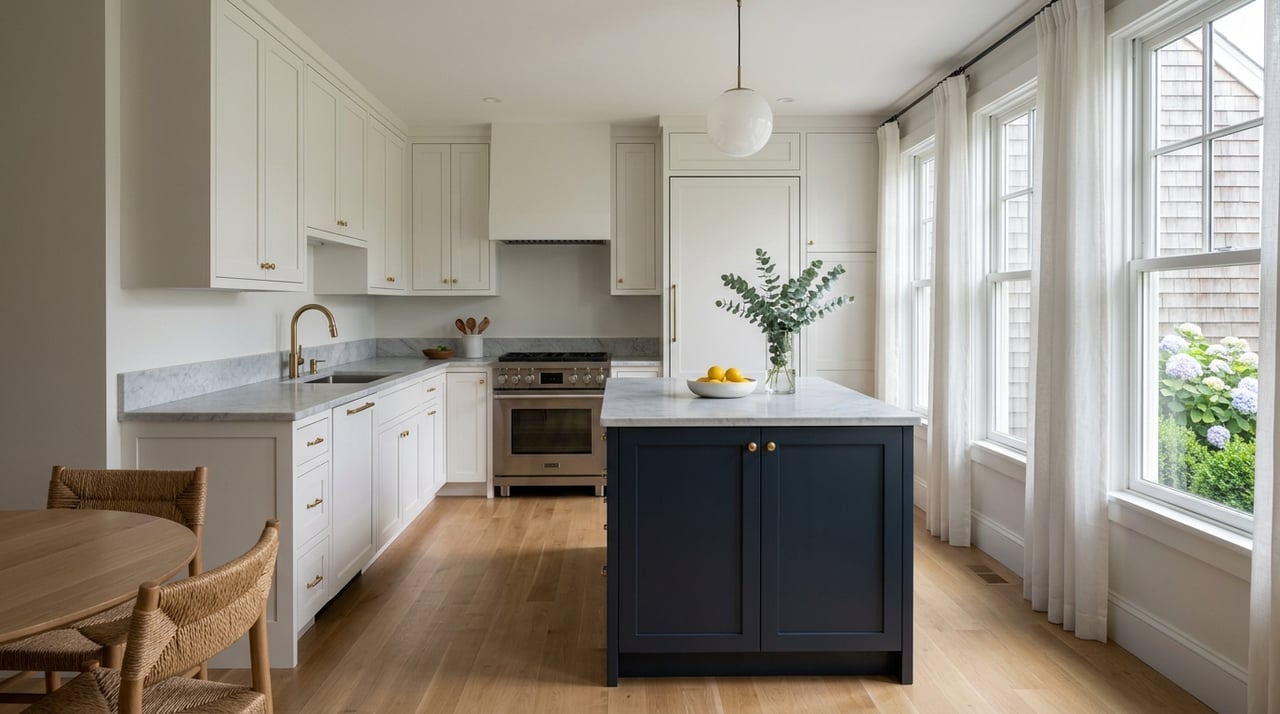
Many sellers assume they need a big renovation before listing. In most cases, that is not the first priority. NAR’s staging guidance focuses much more on decluttering, cleaning, simplifying, and making the home feel open and easy for buyers to picture.
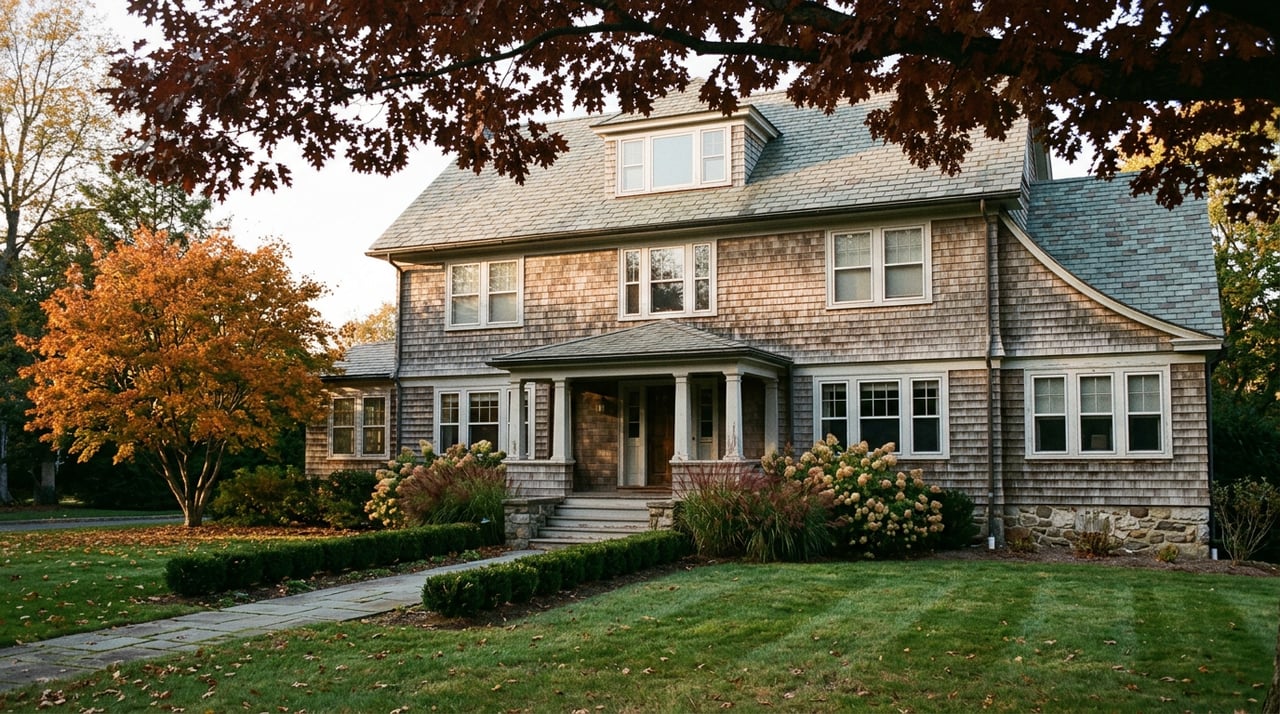
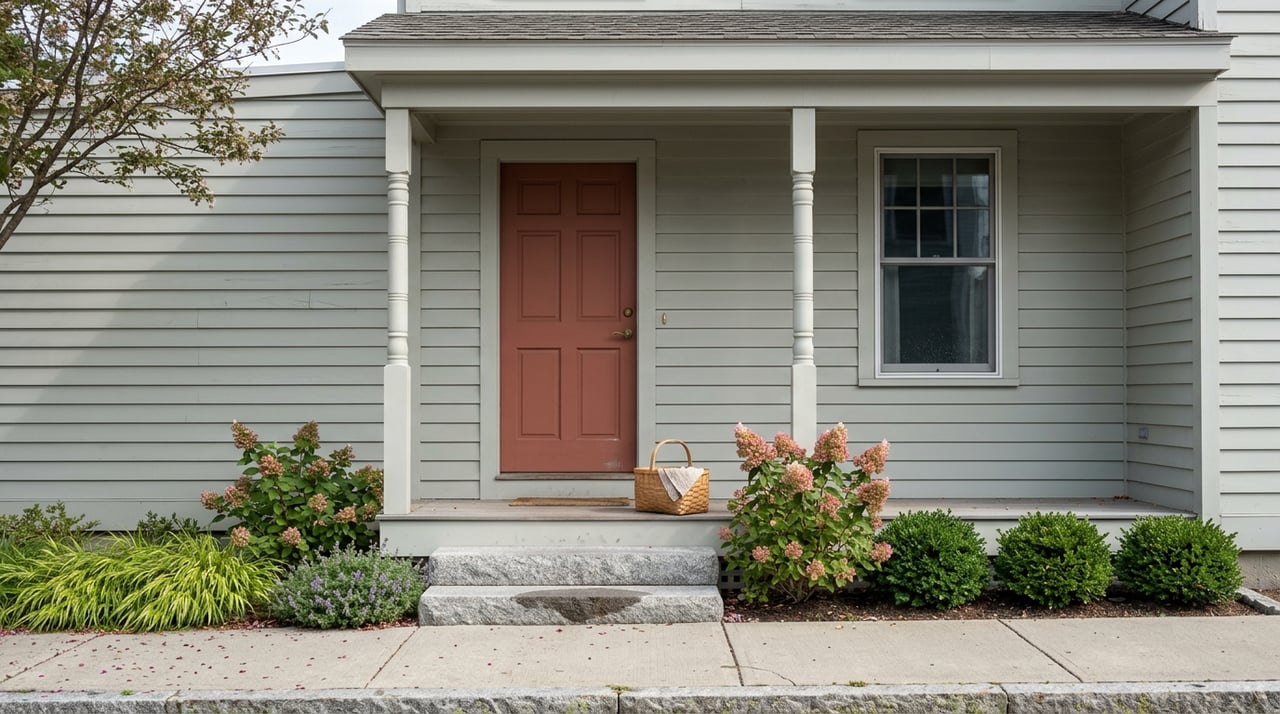
The most common recommendations from agents in NAR’s 2025 staging survey were decluttering, cleaning the entire home, and improving curb appeal. That approach fits what many Portland sellers need most: practical preparation that improves presentation without creating unnecessary expense.
Start with the basics that make the biggest visual difference:
These steps help buyers focus on the home itself rather than distractions. They also make your photos stronger, which is especially important in a market where so many buyers begin their search online.
If you cannot do everything at once, focus first on the areas buyers tend to notice most:
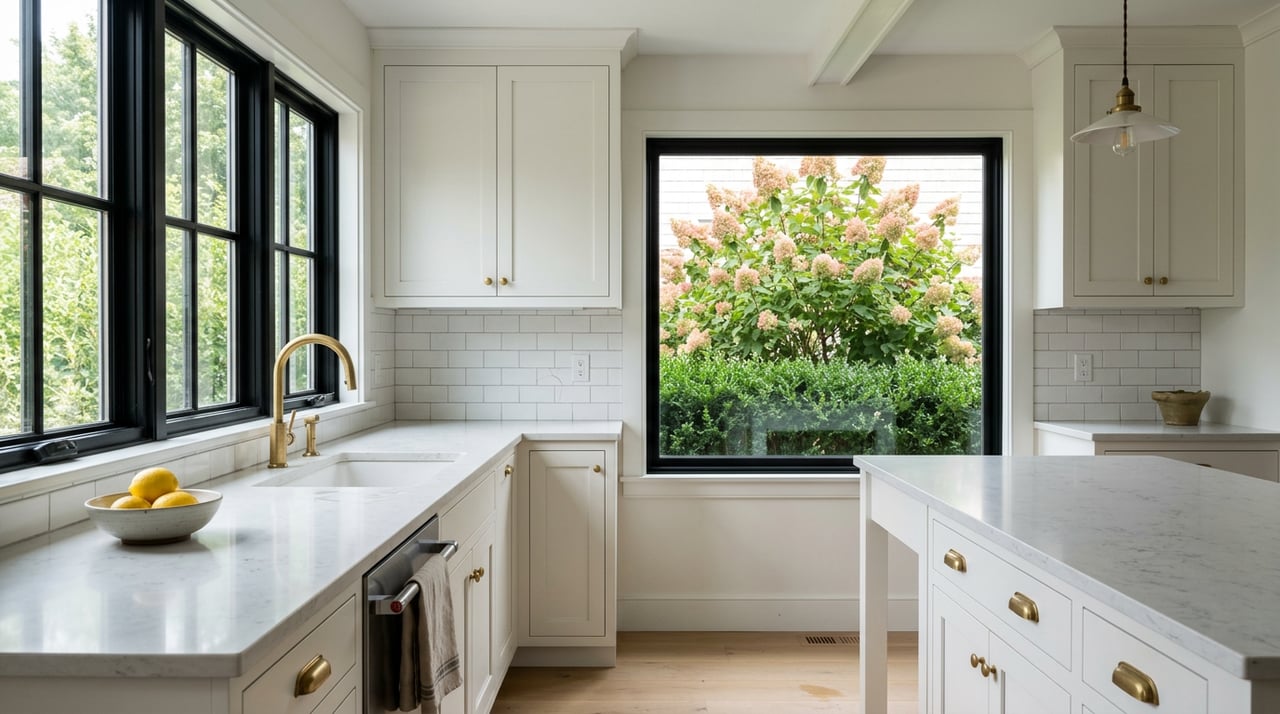
A clean, uncluttered, well-lit version of these spaces can do a lot to improve first impressions.
Photos are not just marketing extras. They are a core part of how buyers judge value before they ever step inside. NAR reports that 52% of buyers found the home they purchased online, nearly half started their search online, and 81% rated listing photos as the most useful feature in their search.
That is why photography should happen only after your home is fully prepared. The camera tends to magnify clutter, awkward furniture placement, and unfinished details. If your listing enters the market with strong pricing but weak visuals, you can lose the attention your price was meant to earn.
Before photos are taken, make sure you:
In Portland, where early online traction can shape your listing’s momentum, the photo shoot and launch plan should be treated as part of your overall strategy.
Preparation is not only about appearance. It is also about paperwork and legal requirements. Maine generally requires sellers of residential real property to provide a property disclosure statement unless the sale is exempt.
According to the Maine Attorney General, that disclosure includes information about the water supply, heating system, waste disposal system, hazardous materials such as asbestos, lead paint, and radon, whether the property is in a flood hazard area or had flood events during your ownership, any shoreland zoning proceedings, and other known defects.
If your home was built before 1978, federal lead-based paint rules also usually apply. In those cases, sellers must disclose known lead-based paint information, provide the required EPA and HUD pamphlet, include a lead warning statement, and allow buyers a 10-day period to conduct a paint inspection or risk assessment.
Getting organized early can make the sale smoother. Try to collect:
When questions are answered up front, you can reduce delays and help buyers feel more comfortable moving forward.
If you want a simple way to think about next steps, start here:
Selling with confidence usually comes down to two things: realistic pricing and strong presentation. In a market like Portland, where some homes sell above list and others need reductions, guessing can be expensive. A strategy-led approach gives you a better chance to attract attention early and make decisions from a position of clarity.
That is where local experience can make a real difference. When you combine neighborhood-specific pricing, practical prep advice, and a steady plan for launch, you put yourself in a much better position to sell on stronger terms and with less stress.
If you are getting ready to sell in Portland and want clear advice on pricing, presentation, and next steps, connect with Shawn Losier | Freeman Group Residential Real Estate Brokerage. You will get a local, strategy-first approach designed to help you move forward with confidence.
Stay up to date on the latest real estate trends.


With more than 27 years in Maine real estate, Shawn Losier offers the experience, insight, and local knowledge clients need to navigate today’s market with confidence. As the Designated Broker of Freeman Group and a respected industry leader, he provides personalized guidance and strategic expertise to help buyers and sellers achieve exceptional results.