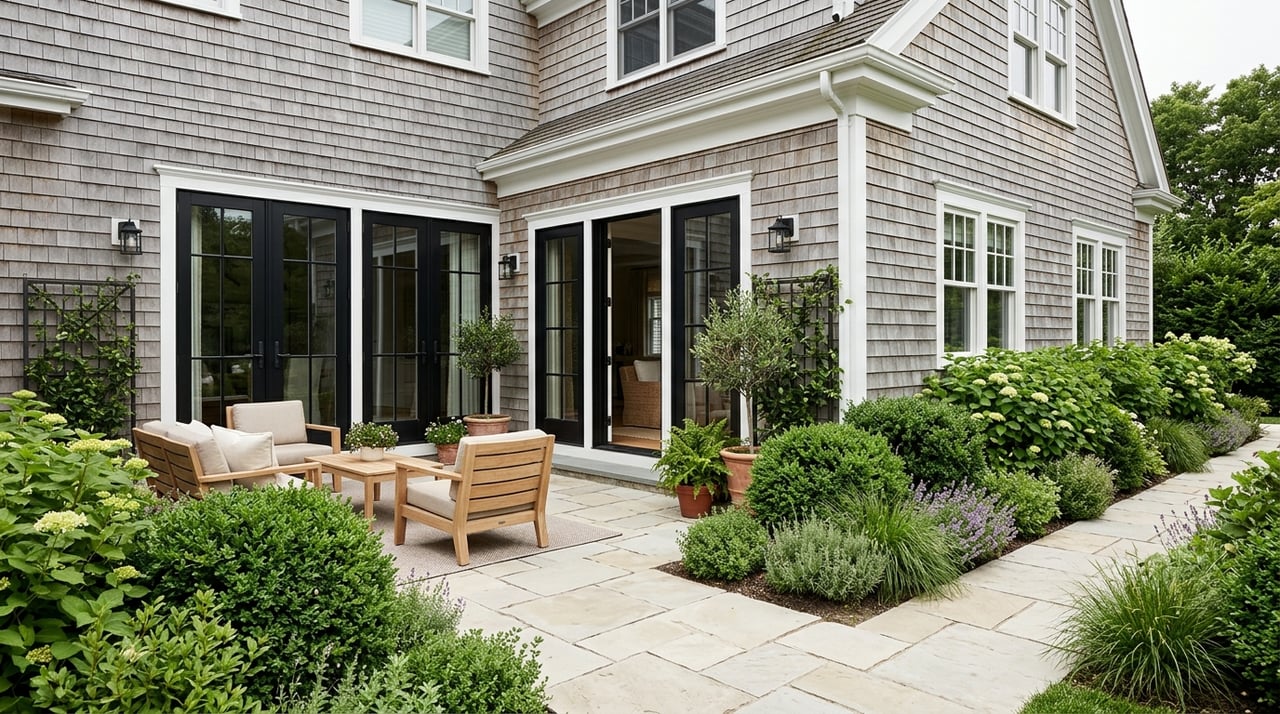
How To Evaluate A Second Home Or Investment In Saco
June 18, 2026
June 18, 2026
If you are thinking about buying a second home or rental property in Saco, it helps to look past the postcard version of the coast. A property can feel perfect on a summer weekend and still be a poor fit once you factor in taxes, maintenance, flood exposure, and year-round usability. The good news is that Saco gives you real options if you know how to evaluate them clearly. Let’s dive in.
Saco appeals to buyers who want coastal access without buying into a market that is purely seasonal. The city had an estimated population of 21,159 in 2025, up 3.8% from 2020, and about 72.8% of housing is owner-occupied. That points to a community with a stable year-round base rather than a market driven only by vacation ownership.
Lifestyle is a big part of the draw. Ferry Beach State Park offers beach access, trails, swimming, fishing, and picnic areas, and the city identifies additional public access points at Ferry Beach, Kinney Shore, Bayview Beach, and Camp Ellis Beach. Saco also has a broader parks and trails network that adds to day-to-day livability.
Access matters too, especially if you will not live in the property full time. The Saco Transportation Center provides rail and bus connectivity, including Downeaster service and parking options. For many buyers, that makes in-town or transit-connected properties easier to use, manage, and enjoy in all seasons.
Before you compare homes, define what success looks like for you. A second home used a few weekends a month should be evaluated differently than a property meant to support long-term rental income. If you skip this step, it becomes easy to overpay for features you will not use or underestimate costs that matter later.
Ask yourself a few practical questions first:
Your answers will shape everything from location to property type.
Saco is still primarily a single-family home market. According to the city’s comprehensive plan, almost 60% of housing units were detached single-family homes, while most multifamily stock was in smaller 2 to 9 unit buildings. Mobile homes made up 3.5% of units.
That matters because your search may not look like a typical large multifamily investment market. If you are shopping in Saco, you are more likely to compare houses, condos, and smaller multi-unit options than large apartment properties. For many second-home buyers, that can be a good fit, but it also means inventory and pricing dynamics may be different than expected.
There is also a seasonal layer to the market, but it is not the whole story. In 2020, 9.4% of housing units were vacant, and a little over 40% of those vacancies were seasonal or occasional. That supports the idea that Saco has part-time and coastal-use demand, while still functioning as a year-round city.
One of the biggest mistakes buyers make is choosing a property based only on peak-season appeal. Summer access to the beach can be a major plus, but your experience in October, January, or March matters too. A strong second home or investment property should work beyond the busiest months.
The city’s planning documents point to the value of homes near restaurants, shopping, parks, trails, and transit. They also note that lower transportation costs can help offset housing costs, and that many buyers prefer amenity-rich locations. In practical terms, this makes walkable in-town homes and transit-connected properties especially worth a close look.
When you evaluate a location in Saco, consider:
A property that is easy to enjoy and manage all year often holds up better than one that shines only in July.
Older coastal housing can offer charm, but it can also bring extra work. Saco notes that one-quarter of its housing was built in 1939 or earlier, and 41% was built before 1970. The city specifically flags lead paint, asbestos, and aging electrical systems as common issues in older homes that have not been recently renovated.
For a second home, deferred maintenance can be especially frustrating because you may not be nearby when issues come up. For an investment property, older systems can quickly affect your budget through repairs, insurance considerations, and vacancy between tenants. That does not mean older homes should be avoided, but it does mean they need careful review.
Pay close attention to:
A full inspection is important in any purchase, but in Saco it can be one of the clearest ways to separate a smart buy from a costly surprise.
Many buyers focus on purchase price and estimated mortgage payment first. That is understandable, but the better test is total carrying cost. For second homes and investments, the gap between those two numbers can be significant.
Saco’s latest public estimate for the property tax rate is $14.20 per $1,000 of assessed value, though the final rate is set later after county and school budgets are finalized. Using the Census median owner-occupied value of $413,100, that suggests annual property taxes of about $5,900 before any exemption.
That exemption matters. Maine Revenue Services says the homestead exemption is only for owners who have owned a Maine homestead for at least 12 months and occupy it as their permanent residence on April 1. Since a second home or rental property generally does not qualify, you should underwrite without assuming primary-residence tax relief.
Your cost model should include:
If the numbers only work when everything goes right, the property may be too thin as an investment.
Maine handles property tax responsibility in a specific way that buyers should understand before closing. According to Maine’s buyer and seller notice, the owner on April 1 is responsible for the property taxes even if the property is sold later in the year. Unpaid taxes can create a lien in that owner’s name.
That is one reason escrow at closing can be so important. It helps reduce the chance of confusion or unpaid amounts carrying into the transfer process. If you are buying from out of state or purchasing a second home for the first time, this is the kind of local detail worth clarifying early.
In coastal Saco, hazard exposure is not a side note. It should be a central part of your evaluation. This is especially true near the shoreline or along the Saco River.
Maine Emergency Management says the FEMA Flood Map Service Center is the official source for insurance-related flood zones. It also notes that standard homeowners insurance does not cover flood damage, and that nearly 1 in 3 flood insurance claims come from outside high-risk zones. That means even homes outside the highest-risk designation still deserve a close look.
Local conditions matter here. The city and the Maine Geological Survey both identify coastal flood and erosion exposure, especially around Ferry Beach and Camp Ellis. The Maine Geological Survey describes Camp Ellis as having some of the highest erosion in the state, with substantial historical property loss.
Saco’s comprehensive plan goes even further by stating that Camp Ellis should be considered for seasonal short-term uses rather than permanent fixed investment because of future climate impacts. That does not automatically eliminate the area for every buyer, but it does call for very conservative assumptions around durability, insurance, and resale.
If you are considering a long-term rental, demand is only one part of the equation. Saco’s comprehensive plan says housing costs have outpaced incomes and describes a region-wide shortage of affordable rental and for-sale housing. It also estimated that 71% of renter households could not afford the median two-bedroom rent in 2020.
That points to real rental demand, but demand alone does not guarantee strong returns. You still need to account for maintenance, financing costs, turnover, and the practical realities of managing a property. Conservative underwriting is usually the safer path.
A realistic rent-versus-expense review should include:
If you are buying mainly for personal use, rental income may still help offset costs. Just make sure it is treated as a bonus, not the only thing making the purchase viable.
If you want flexibility, an accessory dwelling unit may be worth exploring. Saco allows ADUs by right in most zoning districts, including residential districts, according to the city’s comprehensive plan. That can create useful options for guests, additional living space, or future income support.
Still, there are limits. ADUs are capped at 800 square feet, and newly created ADUs must be sprinkler-protected. In other words, ADU potential can add value, but it should never be assumed without reviewing the local requirements for the specific property.
If you want a simple way to compare properties, focus on three things at once: location fit, true carrying cost, and hazard exposure. That framework can quickly show whether a home works as a personal retreat, a long-term hold, or neither.
Before you make an offer, work through this checklist:
The strongest Saco properties are usually the ones that are easy to enjoy in every season, manageable to maintain, and not overly exposed to shoreline risk unless you are comfortable with more uncertainty.
If you are weighing a second home or investment in Saco, clear local guidance can make the decision much easier. Shawn Losier | Freeman Group Residential Real Estate Brokerage brings deep Southern Maine market experience and a practical, strategy-first approach to helping you evaluate fit, value, and risk before you buy.
Stay up to date on the latest real estate trends.

With more than 27 years in Maine real estate, Shawn Losier offers the experience, insight, and local knowledge clients need to navigate today’s market with confidence. As the Designated Broker of Freeman Group and a respected industry leader, he provides personalized guidance and strategic expertise to help buyers and sellers achieve exceptional results.